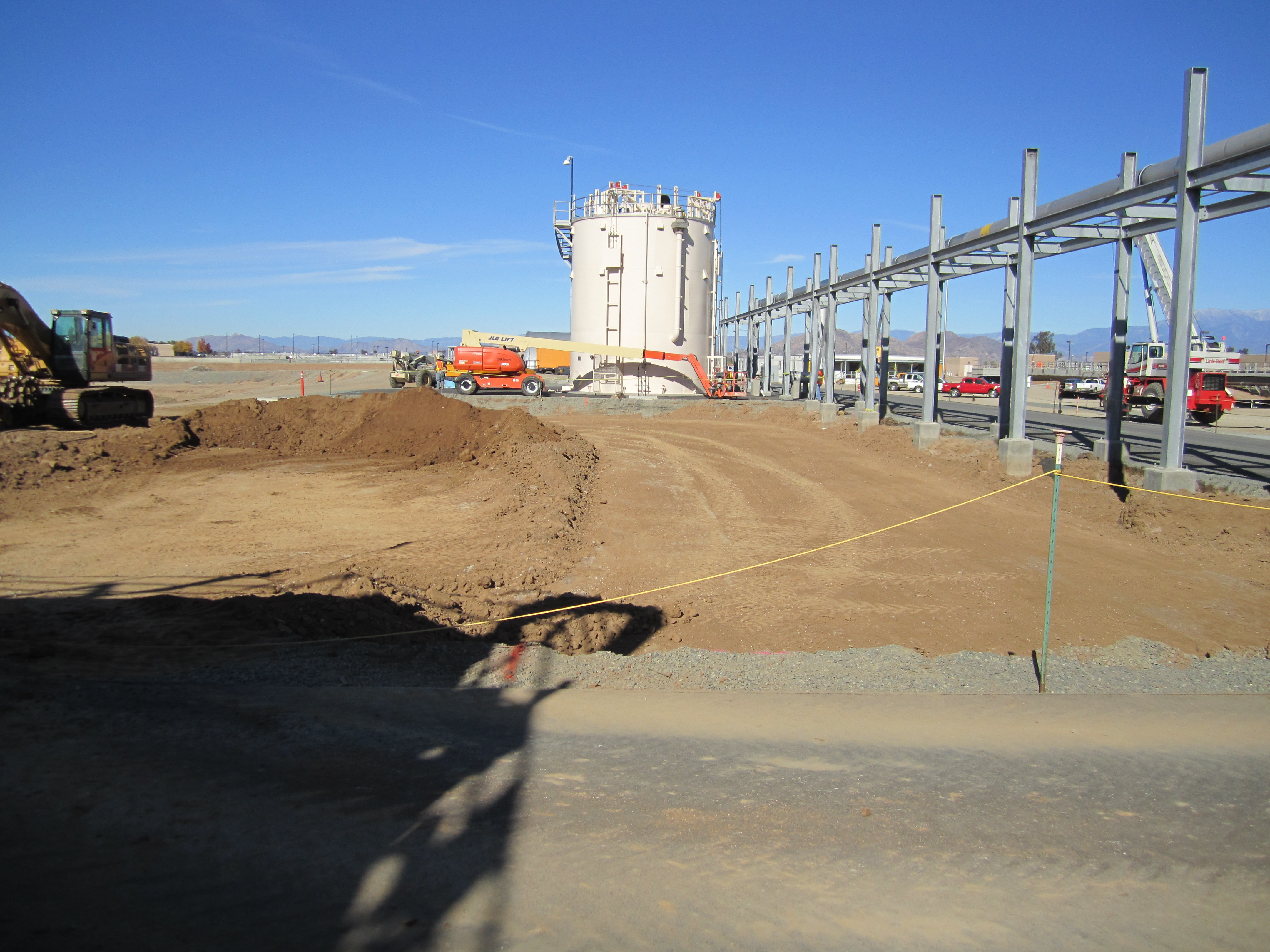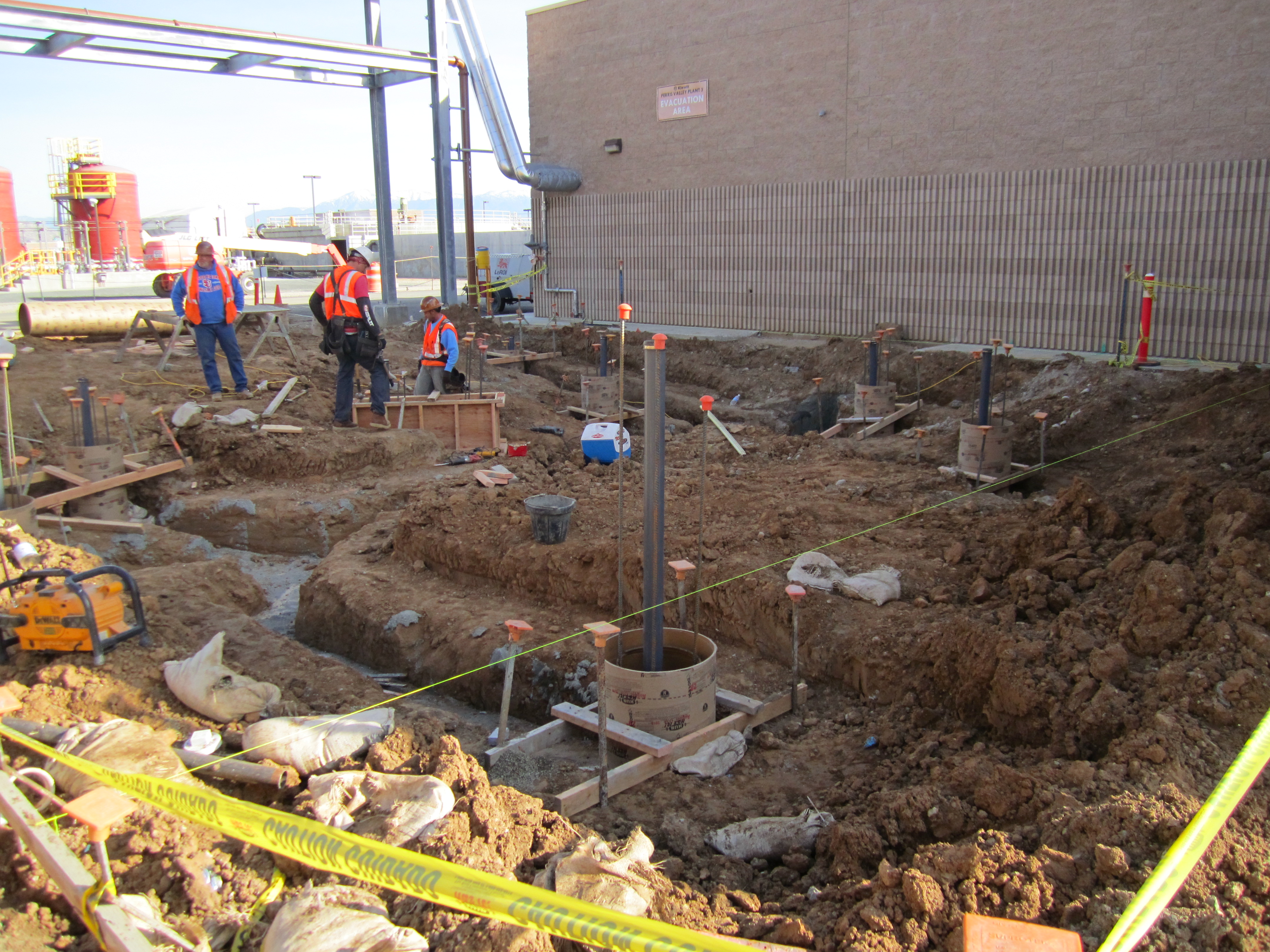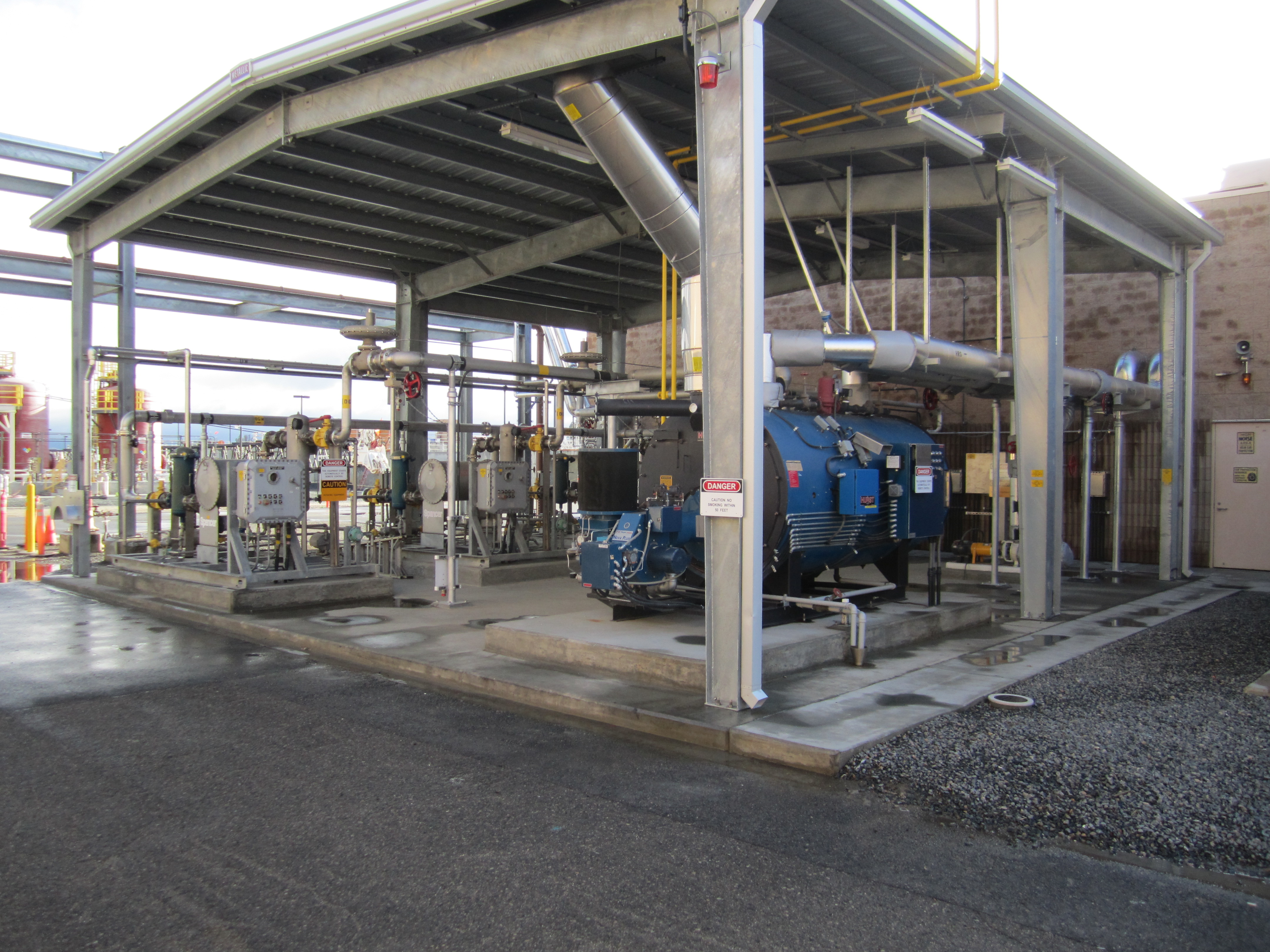
The work consisted of the construction of a fuel cell generation system designed to support reliable energy production and improve the overall efficiency of the facility. The project brought together several major components, including fuel cell power plants, heat recovery equipment, gas treatment systems, boilers, pumps, and related infrastructure. Each part had an important role in creating a coordinated energy system capable of supporting the plant’s ongoing operations.
At the center of the project were two 300-kW fuel cell power plants. These units provided a significant source of on-site power while helping the facility make better use of available resources. Fuel cell technology can support steady electricity generation and may also complement other energy systems already operating at an industrial facility. Installing two power plants also provided a broader generation capacity while allowing the supporting equipment to work together as one integrated system.
The project also included two hot water heat recovery units. Rather than allowing useful heat produced during power generation to go unused, heat recovery equipment can capture and redirect that energy for other applications within a facility. This approach can improve overall system efficiency and reduce wasted energy.
Another major component was an anaerobic digester gas treatment skid. Anaerobic digestion produces biogas that can contain impurities requiring treatment before the gas is used by energy-generating equipment. The gas treatment system helped prepare the digester gas for use within the facility’s generation process. Three digester gas boosters were also installed to support the movement and delivery of the gas through the system.
The work included a dual fuel boiler system along with its equipment pad. A dual fuel setup gives a facility flexibility in how it supplies fuel to its boiler system, which can be useful when operating conditions or fuel availability change. Two canopies were also constructed as part of the project, providing additional protection for selected equipment and helping organize the overall installation.
Water circulation was another important part of the system. Two hot water recirculation pumps were installed to keep heated water moving through the appropriate portions of the system. Proper circulation helps maintain consistent operation and allows recovered heat to be transferred where it is needed.
Large industrial energy projects also require careful coordination when equipment, tanks, and other heavy components must be delivered to the site. Planning the movement of these items is an important part of construction, especially when oversized or specialized equipment is involved. Experienced tank transport providers can help businesses move large tanks and related equipment using appropriate trailers and transportation planning.
All of the systems installed during the project were connected to the plant’s SCADA system through its fiber optic grid. This connection allowed the various components to communicate with the facility’s existing supervisory control and data acquisition infrastructure. Centralized monitoring can give operators better visibility into system performance, helping them track equipment and respond to operating conditions more effectively.
Overall, the project combined power generation, heat recovery, gas treatment, fuel flexibility, water circulation, and digital monitoring into one coordinated system. The combination of these technologies demonstrates how modern industrial facilities can integrate multiple systems to improve energy management and support reliable day-to-day operations. Careful engineering, installation, equipment coordination, and ongoing monitoring all play important roles in making a complex facility project successful.